
Living with dry, irritated, or watery eyes can wear on your daily life — reading, driving, working on a screen, or even just being outside on a windy Arizona day can become uncomfortable. At Tatum Eyecare, North Phoenix’s premier family eye care center, we don’t just hand you another bottle of drops. We get to the root cause of your dry eye and build a treatment plan around it.
If you live in North Phoenix, Scottsdale, Cave Creek, or the surrounding Valley, our team is here to help you find lasting relief.
[Schedule Your Dry Eye Evaluation]
What Is Dry Eye?
Dry eye — also known as keratoconjunctivitis sicca — happens when your eyes aren’t properly lubricated. Normally, your tears do more than just keep your eyes wet. They:
- Keep the surface of your eyes smooth and clear
- Wash away dust, debris, and irritants
- Protect against infection
- Support sharp, stable vision
When something disrupts this system, your eyes can become inflamed, irritated, and uncomfortable — and if left untreated, dry eye disease can affect the surface of the eye and, in more serious cases, your vision.
Signs & Symptoms of Dry Eye
Dry eye can show up differently from person to person. Common symptoms include:
- Burning, stinging, or a gritty feeling
- Redness or irritation
- Blurry or fluctuating vision
- Watery eyes (yes — excess tearing is often a symptom of dry eye, not the opposite)
- Eye fatigue or strain, especially after screen use
- Sensitivity to light or wind
- Eyelids that feel “stuck together” in the morning
- Discomfort or intolerance wearing contact lenses
If over-the-counter drops only give you relief for a few hours — or stop working altogether — it’s a sign your dry eye needs a real evaluation, not just another bottle off the shelf.
What Causes Dry Eye?
Your tears are made up of three layers that all have to work together:
Oil (lipid) layer — Produced by the meibomian glands in your eyelids, this outer layer keeps your tears from evaporating too quickly.
Water (aqueous) layer — Produced by glands near the upper outer part of your eye, this middle layer makes up most of your tear film and delivers nutrients to the eye’s surface.
Mucus (mucin) layer — This inner layer helps your tears spread evenly and stay stable across the eye.
When any one of these layers is out of balance — most often due to meibomian gland dysfunction (MGD), where the oil glands become clogged or inflamed — dry eye develops.
Common causes include:
- Aging and hormonal changes
- Autoimmune conditions (such as Sjögren’s syndrome, rheumatoid arthritis, or lupus)
- Certain medications
- Extended contact lens wear
- Reduced blinking from screen use
Why Dry Eye Is So Common in North Phoenix
Arizona’s climate works against your eyes in a few specific ways. Low humidity and dry desert air speed up tear evaporation. Dust and wind common in North Phoenix, Cave Creek, and the surrounding foothills can irritate the eye’s surface. And indoor air conditioning or heating — which most of us rely on nearly year-round — pulls even more moisture out of the air around you. If you’ve noticed your eyes feel worse after time outdoors or after a few hours in an air-conditioned office, your environment is very likely a contributing factor.
Screens and Digital Eye Strain
Here’s something a lot of people don’t realize: when you’re focused on a screen, you blink significantly less often. Fewer blinks means less oil and moisture spread across your eyes, which can bring on or worsen dry eye symptoms — especially if you work at a computer or spend a lot of time on your phone.
How We Diagnose Dry Eye
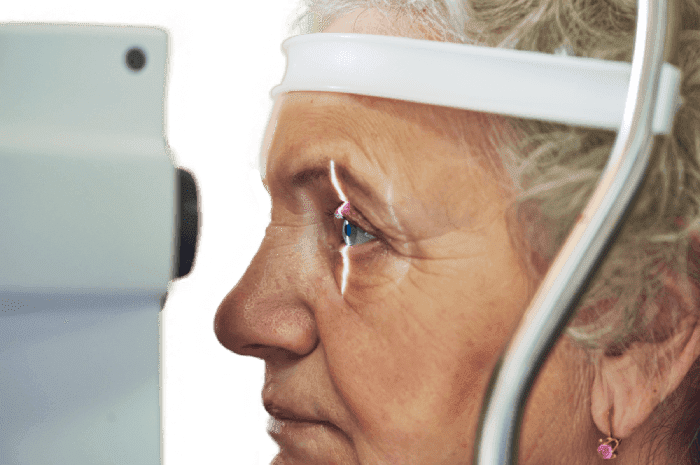
A proper dry eye evaluation goes beyond asking “do your eyes feel dry?” During your visit, we’ll typically:
- Review your symptoms and how they affect your daily life
- Examine the surface of your eyes and eyelids
- Evaluate your tear film and meibomian glands for signs of dysfunction or blockage
- Check for inflammation or other underlying contributors
This helps us treat the actual cause of your dry eye, rather than just masking the discomfort.
Dry Eye Treatment Options
There’s no single fix for dry eye — the right treatment depends on what’s causing it. Here’s a general overview of the options we may recommend:
| Treatment | What It Does | Best For |
| Artificial tears (OTC) | Temporary lubrication and relief | Mild, occasional dryness |
| Prescription drops (e.g., Xiidra, Restasis) | Increases natural tear production, reduces inflammation | Chronic or moderate-to-severe dry eye |
| Punctal plugs | Small inserts that slow tear drainage, keeping natural tears on the eye longer | Patients with low tear production |
| Warm compress therapy | Loosens clogged oil in the meibomian glands | Mild-to-moderate MGD |
| In-office thermal/expression treatment | Clears blocked oil glands directly for longer-lasting relief | Moderate-to-severe MGD |
| IPL (Intense Pulsed Light) therapy | Reduces inflammation and improves oil gland function using light pulses | Chronic dry eye linked to inflammation |
| Radiofrequency (RF) therapy | Uses gentle heat to soften and release blocked oils | Often paired with IPL for more complete relief |
We’ll walk you through which combination makes sense for your specific case — you won’t leave with a guess, you’ll leave with a plan.
At-Home Care & Prevention Tips
Alongside any treatment plan, small daily habits can make a real difference:
- Follow the 20-20-20 rule — every 20 minutes, look at something 20 feet away for 20 seconds to reset your blink rate
- Run a humidifier — especially helpful in Arizona’s dry indoor air
- Use a warm compress — a few minutes a day can help keep oil glands functioning
- Stay hydrated and consider omega-3s — diet can play a supporting role in tear quality
- Practice good eyelid hygiene — gently cleaning the eyelid margins helps prevent gland blockages
These habits won’t replace treatment for moderate-to-severe dry eye, but they go a long way in maintaining results and preventing symptoms from creeping back.
What to Expect: Your First Visit & Follow-Up Timeline
First visit: We’ll discuss your symptoms, perform a dry eye evaluation, and talk through what’s likely causing your discomfort. If in-office treatment is recommended, we’ll explain what it involves and how many sessions to expect.
Follow-ups: Depending on severity, treatment plans often involve a handful of visits spaced weeks to months apart, alongside home care in between.
Relief timeline: Some patients notice improvement after their first treatment, though it typically takes multiple sessions for maximum, lasting relief. We’ll set realistic expectations with you along the way — dry eye is often a manageable, ongoing condition rather than a one-time fix.
Insurance & Cost
Coverage for dry eye treatment depends on your specific insurance plan, your diagnosis, and which treatments are recommended. Many evaluations can be billed through medical insurance, while some advanced in-office treatments may have different coverage rules. Our team will help you understand your options and costs before any treatment begins, so there are no surprises.
[Learn more about insurance we accept]
Frequently Asked Questions
What is dry eye? Dry eye is a condition where your eyes don’t stay properly lubricated, either because you’re not producing enough tears, your tears evaporate too quickly, or the oil/water/mucus layers of your tear film are out of balance.
What causes dry eye in North Phoenix specifically? Arizona’s low humidity, dust, wind, and heavy reliance on indoor air conditioning and heating all speed up tear evaporation and irritate the eye’s surface, making dry eye especially common here.
How is dry eye diagnosed? Through a dedicated evaluation that includes reviewing your symptoms, examining your eyelids and the surface of your eyes, and assessing your tear film and meibomian glands for dysfunction or inflammation.
What dry eye treatments does Tatum Eyecare offer? Depending on your diagnosis, treatment may include prescription drops, punctal plugs, warm compress therapy, in-office gland expression, or advanced options like IPL and radiofrequency therapy.
Is dry eye treatment covered by insurance? It depends on your plan and the specific treatment recommended. Our team can help verify your coverage before you begin any treatment.
How long until I feel relief? Some patients feel improvement after the first treatment, but consistent, longer-lasting relief typically takes a few sessions combined with at-home care.
Can contact lens wearers get dry eye treatment? Yes. In fact, contact lens discomfort is one of the most common signs of dry eye, and treatment can often make lens-wearing more comfortable again.
When should I schedule a dry eye evaluation? If your symptoms are frequent, getting worse, interfering with daily tasks like reading or screen work, or if over-the-counter drops only help briefly, it’s time to come in for an evaluation.
What Our Patients Say
“I’d tried every drop on the drugstore shelf before coming here. The team actually explained why my eyes were dry instead of just handing me more drops — the IPL treatment made a real difference within a few sessions.”
— Sample patient, North Phoenix
“My eyes felt awful by the end of every workday — burning, blurry, you name it. Turns out it was from staring at screens all day. Tatum Eyecare put together a plan with in-office treatment and some simple home habits, and I finally feel normal again.”
— Sample patient, Cave Creek
“I wear contacts every day and was ready to give up on them because my eyes were so uncomfortable. After my dry eye evaluation and treatment here, I can wear my lenses again without the constant irritation.”
— Sample patient, Scottsdale.
Ready to Find Real Relief?
You don’t have to just live with dry, irritated eyes. Our North Phoenix team can help you find out what’s really causing your symptoms — and build a plan that actually works.
[Schedule Your Dry Eye Evaluation] 📞 [(480) 889-6044] | 📍 [16429 N Tatum Blvd Phoenix, AZ 85032] | [Mon-Wed: 9am – 6pm Thurs & Fri: 9am – 5pm Saturday: 8:30 – 1pm]


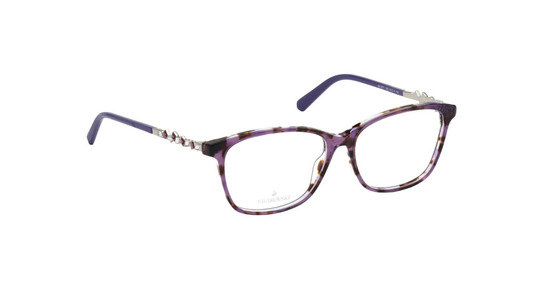
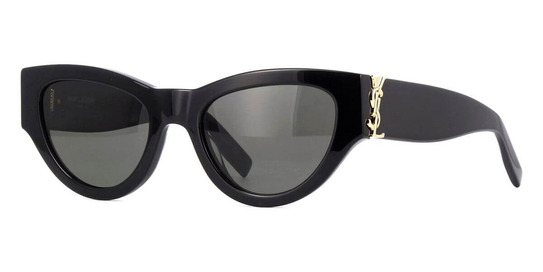
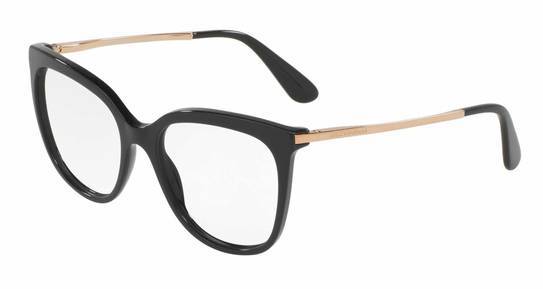
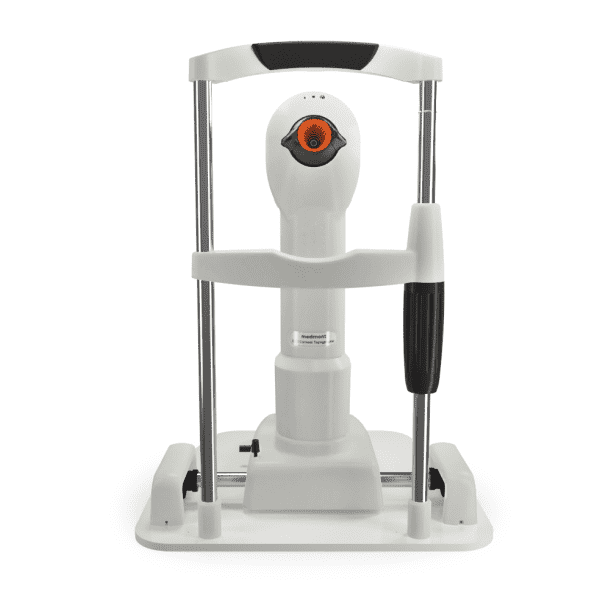

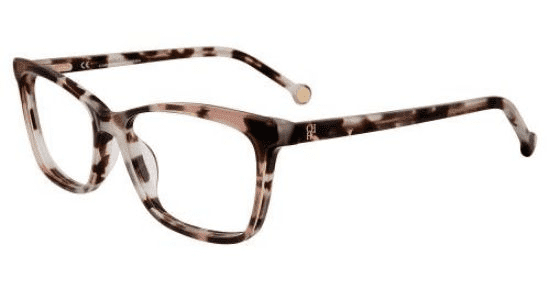
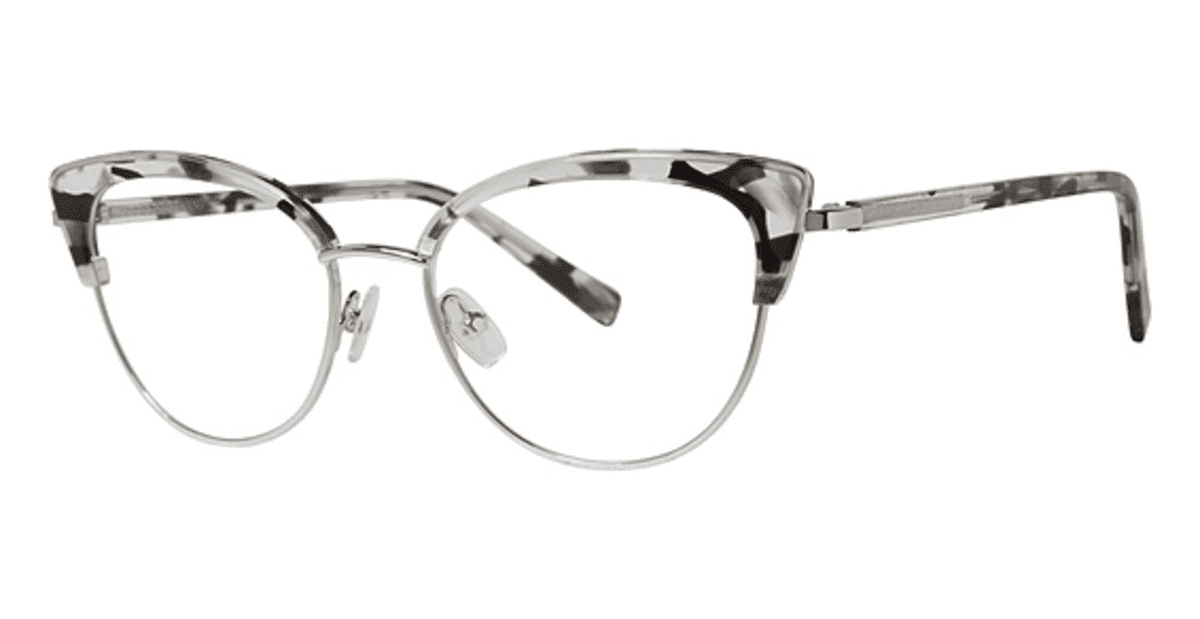
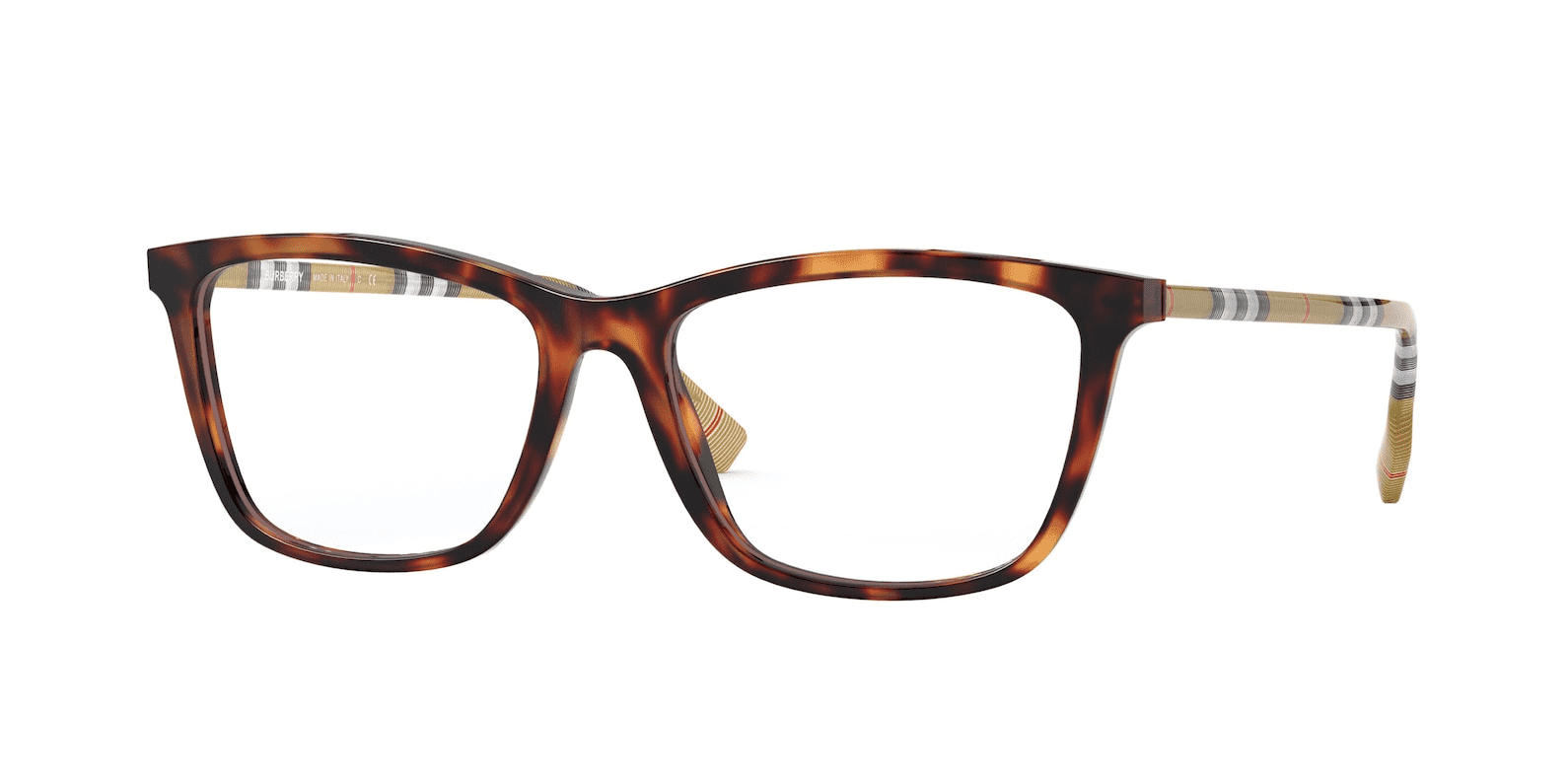

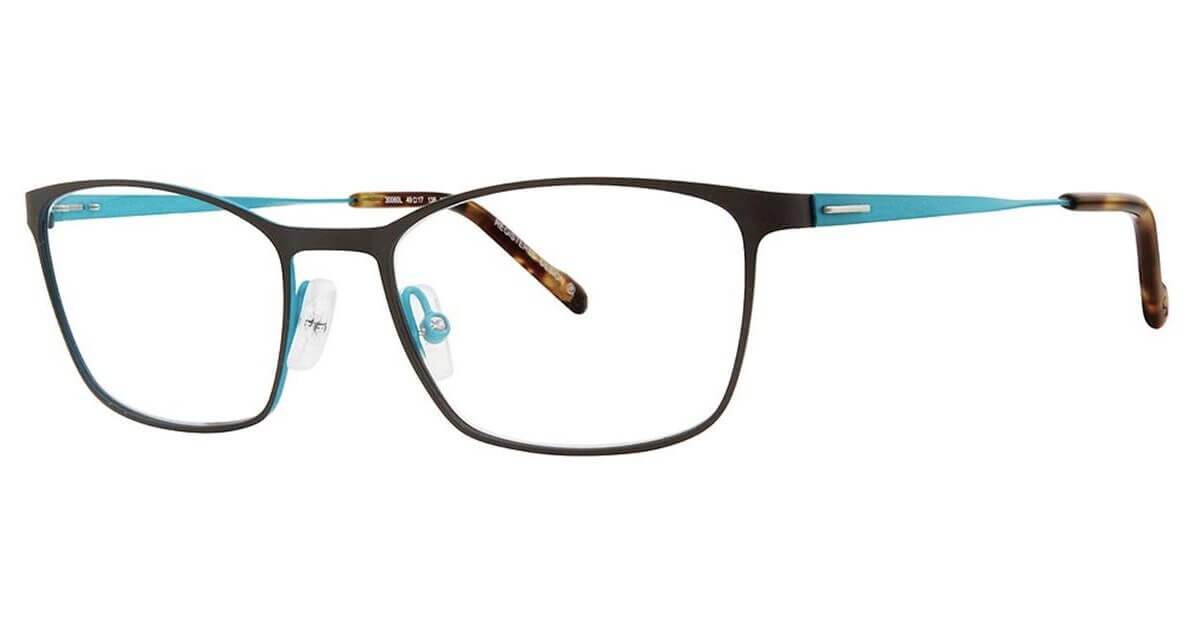
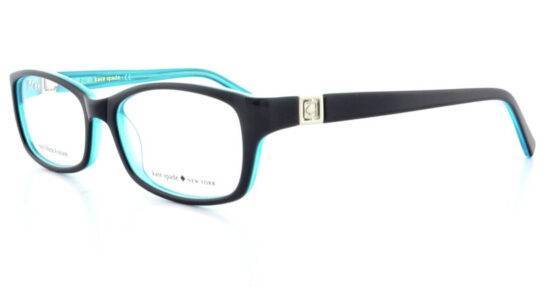


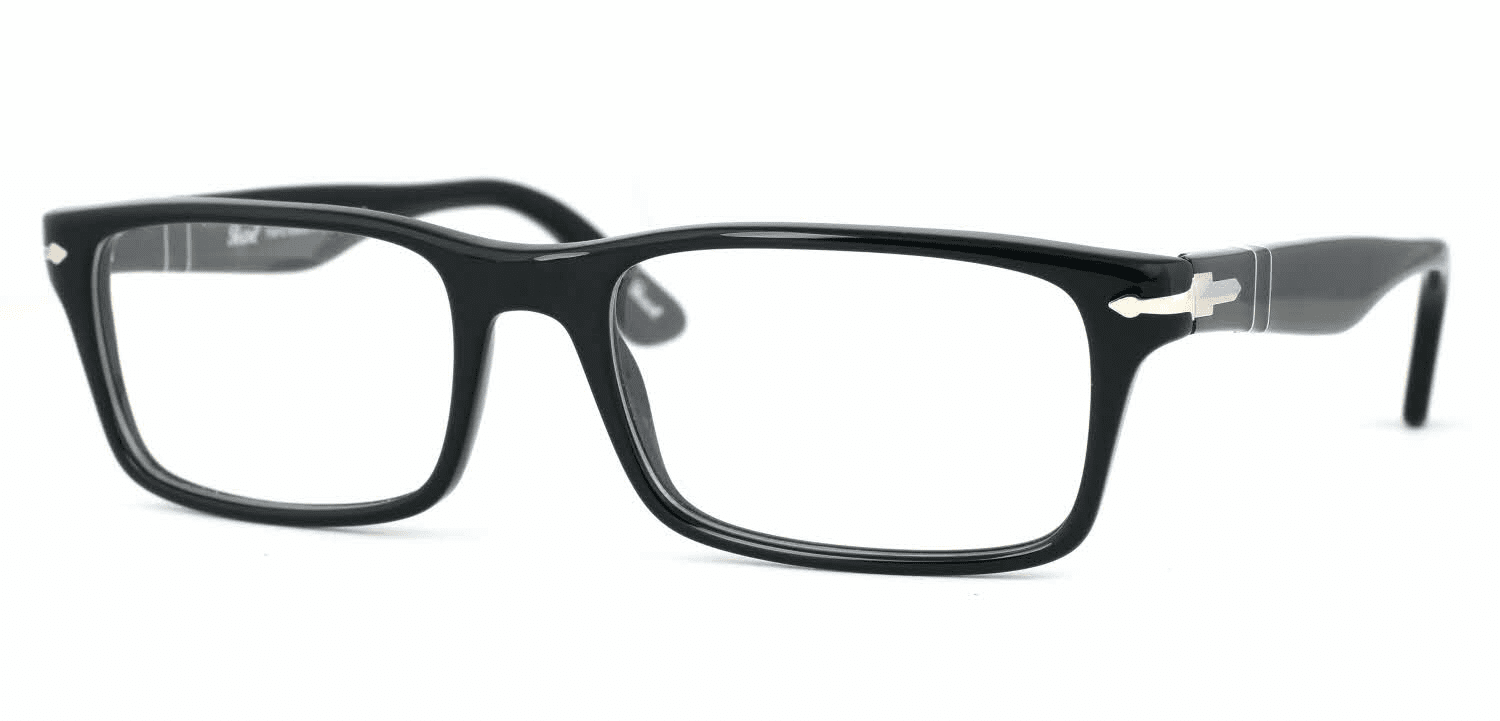
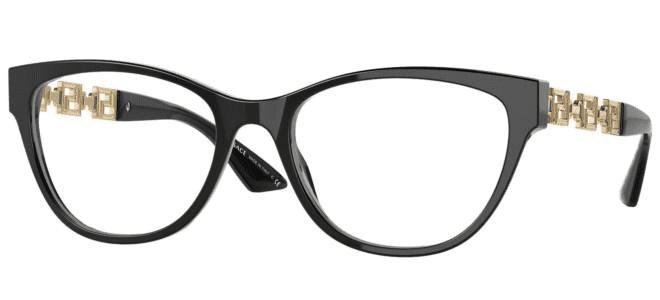

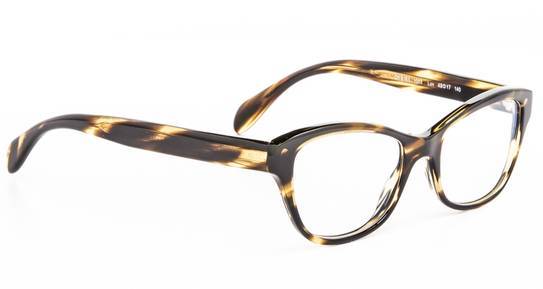
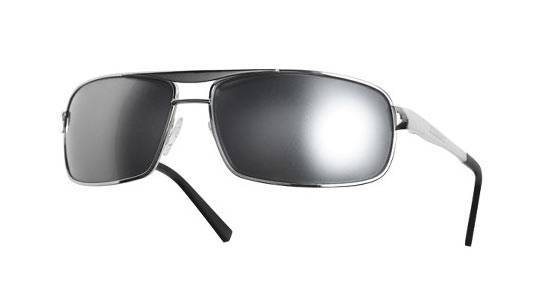 Dillon Optics, the performance eyewear arm of Dillon Precision, have a unique non-reflective, matte lens appearance incorporated with NIR lens technology. This produces noticeably sharper clarity, and protects the lens from damage and harmful environmental conditions. Perfect for outdoor sports and activities where precision vision is required. Tatum Eyecare carries a wide variety of Dillon Optics eyewear.